This website uses cookies. By continuing to browse this site you are agreeing to our use of cookies. Please review our Privacy Policy for more information.







Although plywood may be viewed as a low-cost option, this type of ground protection has many downsides and is not cheaper in the long term due to their shorter life expectancy compared to polyethylene mats. Their load ratings are generally unknown, can vary from sheet to sheet and the load capacity also deteriorates over time.
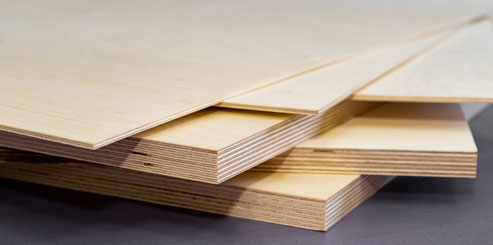
The Cons of Using Plywood as Ground Protection

Absorbs water / liquids which increases weight and accelerates rotting and de-lamination of ply mats

Safety hazard from splinters or debris

Risk of cross contamination from oils, chemicals, and fluids

Inconsistent strength properties from mat to mat

Very susceptible to fungi, bacteria, insects and rodents

Very limited life span resulting in a higher cost over time

No traction creates an unsafe often slippery surface for equipment and personnel
The True Cost of Using Plywood
The main reason plywood is the ground protection choice among many contractors is the low initial investment. However, in the long term, using plywood as ground protection is much more expensive than Checkers ground protection mats.
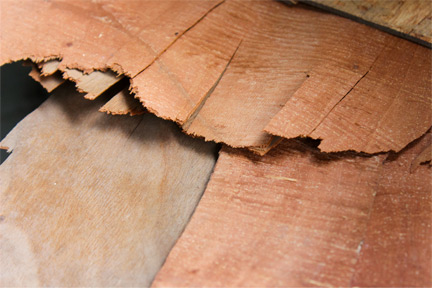
Approximate Cost of Replacing 12 Sheets of Plywood 4 Times Per Year:
1 YEAR
2 YEARS
5 YEARS
10 YEARS
$ 3,600
$ 7,200
$ 18,000
$ 36,000
ROI of Using Ground Protection Mats
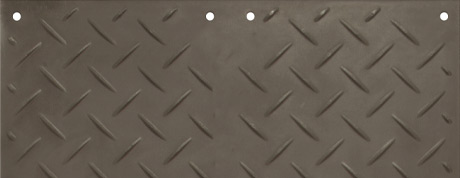
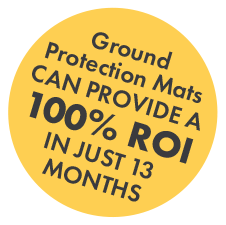
By using the average cost of Checkers ground protection mats against plywood, our mats provide ROI in less than 13 months (based on replacing plywood every 3 months). Our products have been designed to provide a high load capacity, provide additional traction, and operate in harsh conditions, saving you money in the long term and providing you with a safer, more durable solution.
Ground Protection Mats vs Plywood
| Ground Protection Mats |
|---|
| Designed to handle heavy loads |
| Able to be connected to keep your roadway in place |
| High ROI - long life helps you keep it for many years |
| Variety of tread options for vehicles, pedestrians traffic |
| Able to be easily cleaned to avoid cross contamination |
| Plywood |
|---|
| Short life span - frequently 1 project resulting in higher cost of ownership |
| Not able to be interlocked - can move during operations |
| No weight rating resulting in unpredictable performance |
| No tread or alternate color options limiting performance or impacting subsurfaces |
| Risk of cross contamination |